
Reducing Data Center Environmental Impact with DOWFROST™ LC 25
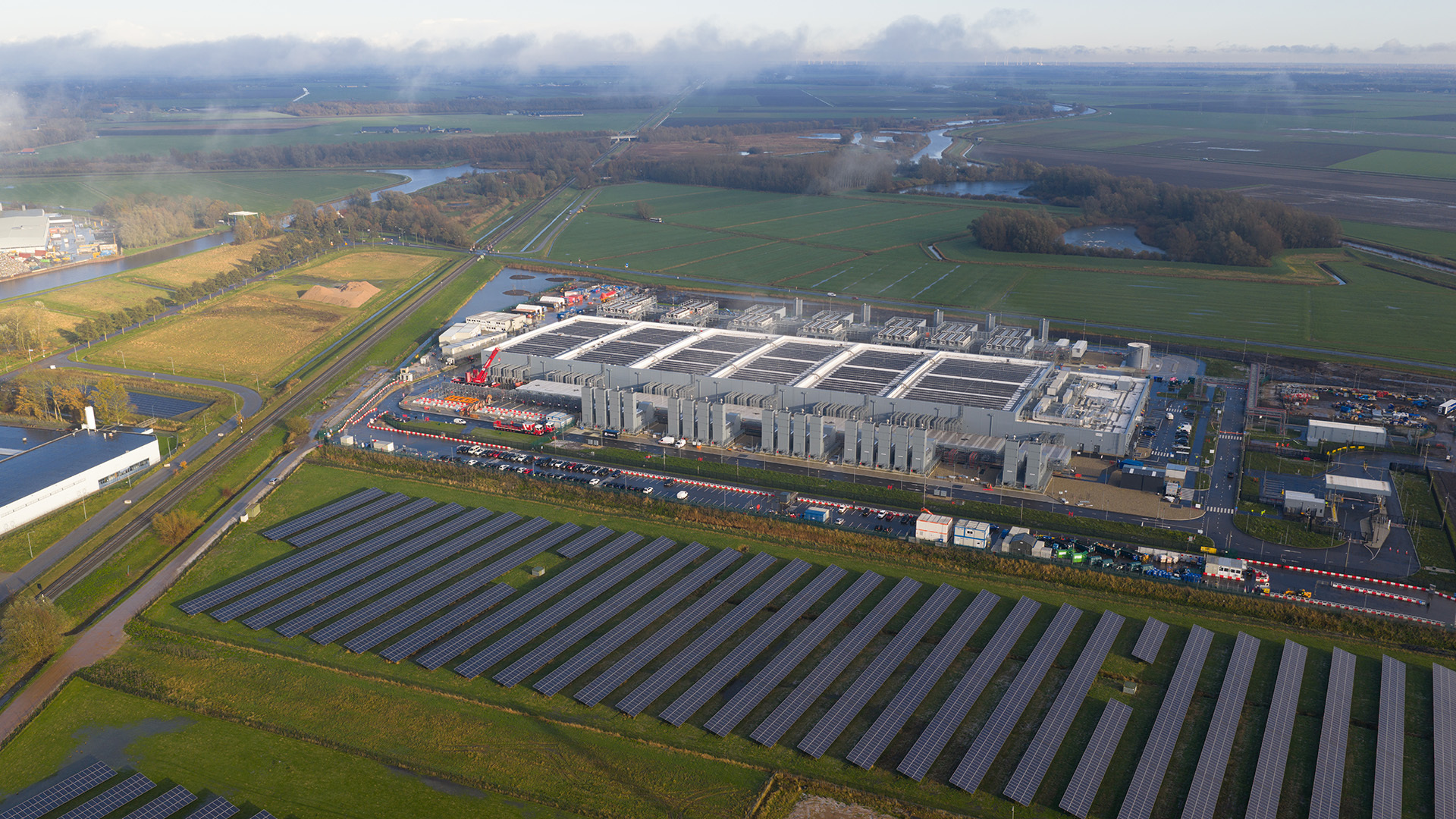
Data centers are the backbone of the digital economy and a fast-growing environmental challenge. As AI and high-density compute push racks to higher heat loads, traditional air cooling is being stretched past its efficient limits, driving higher electricity use and a bigger carbon footprint. Direct-to-chip liquid cooling addresses this challenge by removing heat at the source, improving efficiency while reducing the resources needed to operate (mckinsey.com).
DOWFROST™ LC 25 is designed to help data centers scale responsibly, enabling high-performance cooling with lower energy waste and reduced strain on local utilities.
Direct-to-Chip Liquid Cooling: Efficiency at the Source
Cooling an entire room just to protect a few hot components is inherently inefficient, especially for today’s CPUs and GPUs. Direct-to-chip cooling uses liquid cold plates to absorb heat right at the processor, moving thermal energy far more effectively than air (parkplacetechnologies.com). In practice, liquid-cooled systems can cut cooling energy substantially, with reported reductions of up to around 40% versus air-cooling depending on configuration and workload (boydcorp.com).
Sustainability Impact:
Less power used for cooling means lower operational emissions and a cleaner path to growth.
Less Water, Lower Local Strain
Conventional air-cooled designs often rely on water-intensive chillers and cooling towers. Closed-loop liquid cooling recirculates coolant rather than evaporating it away, sharply reducing ongoing water demand (mckinsey.com).
Sustainability Impact:
Facilities can expand compute capacity while easing pressure on scarce local water resources.
Smaller Carbon Footprint Over Time
Sustainability is lifecycle-deep, accounting for the cumulative environmental impact of a solution over its entire lifespan, not just its performance in operation. A recent cradle-to-grave life-cycle assessment in Nature finds advanced liquid-cooling approaches can lower total greenhouse-gas emissions compared with conventional air cooling by reducing both operating energy and supporting infrastructure impacts (nature.com).
Sustainability Impact:
As compute density rises, air cooling forces a tradeoff between performance and sustainability. Direct-to-chip liquid cooling, supported by DOWFROST™ LC 25, lets you scale both. As data centers evolve to support increasingly sophisticated AI and high-density compute, the pressure on cooling systems will only intensify. Direct-to-chip liquid cooling represents a critical turning point. It shifts operators away from resource-heavy approaches and toward smarter, cleaner, and more scalable infrastructure. Connect with our team to learn how DOWFROST™ LC 25 can accelerate your transition to high-performance liquid cooling.
